Pain in the Ball of the Foot

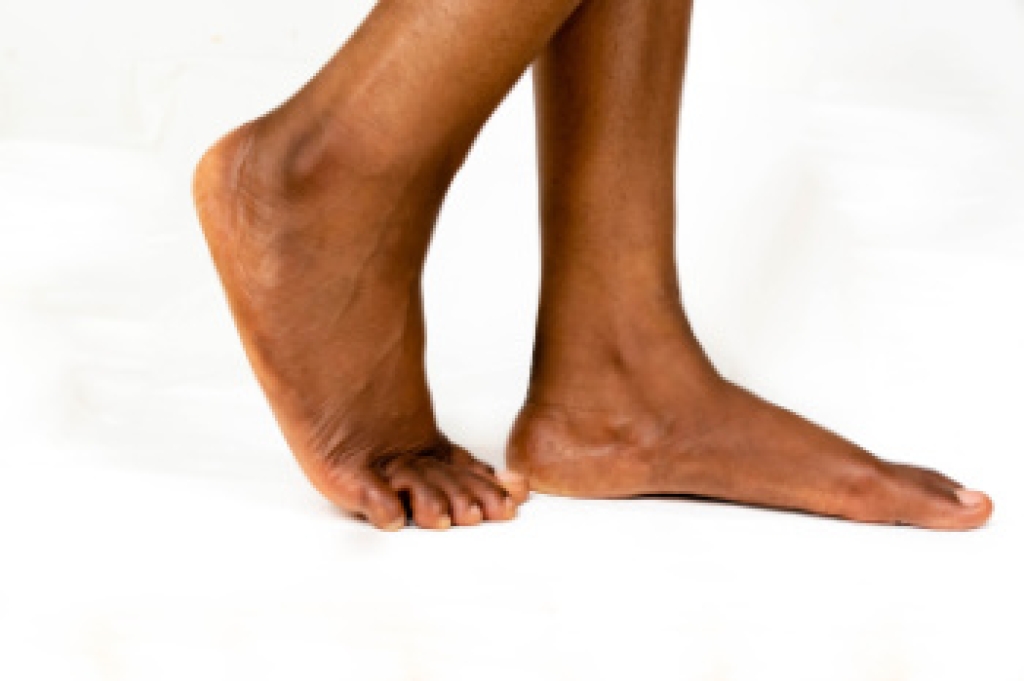
Persistent pain in the ball of the foot, termedcc metatarsalgia, can affect walking, standing, and other daily activities. One major cause of metatarsalgia is increased pressure on the forefoot, often linked to high-impact activities, prolonged standing, or footwear without proper cushioning. Structural issues like high arches, flat feet, bunions, or hammertoes can also shift weight forward and strain the metatarsal bones. Inflammation of surrounding soft tissues, nerve irritation like Morton’s neuroma, and stress fractures may also contribute to discomfort in this area. A podiatrist can evaluate foot structure, gait, and activity level to identify the underlying cause of pain. Treatment includes footwear guidance, custom orthotics, padding, activity modification, and other medical interventions based on the diagnosis. If you are experiencing pain in the ball of the foot, it is suggested that you make an appointment with a podiatrist for an exam, diagnosis, and treatment.

Foot Pain

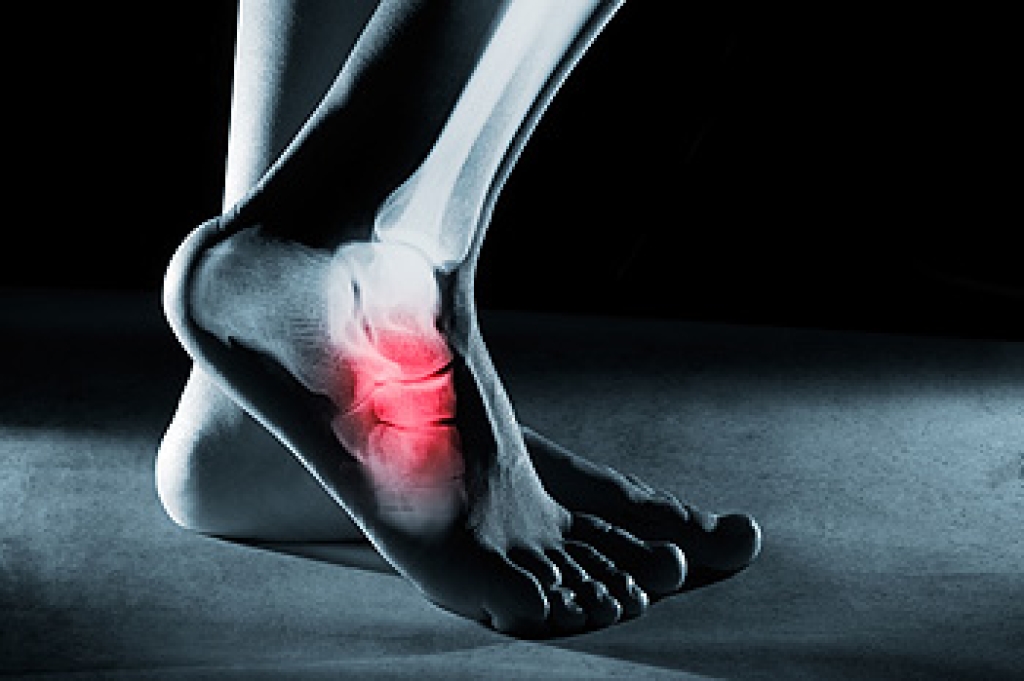
Foot pain can be extremely painful and debilitating. If you have a foot pain, consult with one of our podiatrists from East Ocean Podiatry . Our doctors will assess your condition and provide you with quality foot and ankle treatment.

Causes

Foot pain is a very broad condition that could be caused by one or more ailments. The most common include:

  • Bunions
  • Hammertoes
  • Plantar Fasciitis
  • Bone Spurs
  • Corns
  • Tarsal Tunnel Syndrome
  • Ingrown Toenails
  • Arthritis (such as Gout, Rheumatoid, and Osteoarthritis)
  • Flat Feet
  • Injury (from stress fractures, broken toe, foot, ankle, Achilles tendon ruptures, and sprains)
  • And more

Diagnosis

To figure out the cause of foot pain, podiatrists utilize several different methods. This can range from simple visual inspections and sensation tests to X-rays and MRI scans. Prior medical history, family medical history, and any recent physical traumatic events will all be taken into consideration for a proper diagnosis.

Treatment

Treatment depends upon the cause of the foot pain. Whether it is resting, staying off the foot, or having surgery; podiatrists have a number of treatment options available for foot pain.

If you have any questions, please feel free to contact our office located in Deerfield Beach, FL . We offer the newest diagnostic and treatment technologies for all your foot care needs.

Read more about Foot Pain

Pros and Cons of Plantar Fasciitis Surgery

Plantar fasciitis surgery is considered when persistent heel pain fails to improve with appropriate nonsurgical care. One option, an endoscopic plantar fasciotomy, releases a portion of the tight fascia through small incisions. Benefits include less tissue trauma than open procedures, quicker return to activity, and proven success in reducing chronic heel pain. However, this surgery has risks. Some patients develop lingering discomfort, nerve irritation, arch weakness, or altered foot mechanics if excessive tissue is released. Recovery restrictions still apply, and relief is not guaranteed. A podiatrist confirms the diagnosis, reviews imaging, and rules out other causes of heel pain before recommending surgery. Proper surgical planning and follow up monitoring help limit complications and support healing. The podiatrist also explains expected outcomes and recovery timelines before scheduling procedures. If you have pain from plantar fasciitis, it is suggested that you make an appointment with a podiatrist to find out if surgery is a viable choice for you.

Plantar fasciitis is a common foot condition that is often caused by a strain injury. If you are experiencing heel pain or symptoms of plantar fasciitis, contact one of our podiatrists from East Ocean Podiatry . Our doctors can provide the care you need to keep you pain-free and on your feet.

What Is Plantar Fasciitis?

Plantar fasciitis is one of the most common causes of heel pain. The plantar fascia is a ligament that connects your heel to the front of your foot. When this ligament becomes inflamed, plantar fasciitis is the result. If you have plantar fasciitis you will have a stabbing pain that usually occurs with your first steps in the morning. As the day progresses and you walk around more, this pain will start to disappear, but it will return after long periods of standing or sitting.

What Causes Plantar Fasciitis?

  • Excessive running
  • Having high arches in your feet
  • Other foot issues such as flat feet
  • Pregnancy (due to the sudden weight gain)
  • Being on your feet very often

There are some risk factors that may make you more likely to develop plantar fasciitis compared to others. The condition most commonly affects adults between the ages of 40 and 60. It also tends to affect people who are obese because the extra pounds result in extra stress being placed on the plantar fascia.

Prevention

  • Take good care of your feet – Wear shoes that have good arch support and heel cushioning.
  • Maintain a healthy weight
  • If you are a runner, alternate running with other sports that won’t cause heel pain

There are a variety of treatment options available for plantar fasciitis along with the pain that accompanies it. Additionally, physical therapy is a very important component in the treatment process. It is important that you meet with your podiatrist to determine which treatment option is best for you.

If you have any questions, please feel free to contact our office located in Deerfield Beach, FL . We offer the newest diagnostic and treatment technologies for all your foot care needs.

 

Read more about Plantar Fasciitis

Chronic Conditions and Their Effect on Foot Health

Chronic health conditions often show warning signs in the feet. Diabetes can reduce circulation and sensation, increasing the risk of wounds and infection. Arthritis may cause joint stiffness, deformity, and daily pain that alters walking patterns. Autoimmune disorders can lead to inflammation that affects tendons, ligaments, and soft tissue. Heart and kidney disease may contribute to swelling that stresses skin and joints. Additionally, poor nerve function can change balance and increase fall risk. Diagnosis involves reviewing medical history, symptoms, medications, and lifestyle factors. A podiatrist may examine skin integrity, joint movement, circulation, and nerve response. Imaging or lab testing may be used to clarify underlying causes. When chronic illness begins affecting comfort, mobility, or skin health in the feet, it is suggested that you see a podiatrist for a proper diagnosis and appropriate treatment.

When dealing with systemic disease of the feet, it is extremely important to check the affected areas routinely so that any additional problems are caught quickly.  If you have any concerns about your feet and ankles contact one of our podiatrists from East Ocean Podiatry . Our doctors will assist you with all of your podiatric needs.

Systemic Diseases of the Feet

Systemic diseases affect the whole body, and symptoms usually are displayed in the feet. This condition can make a patient’s ability to walk unbearable.  Systemic diseases include gout, diabetes mellitus, neurological disorders, and arthritis.

Gout – is caused by an excess of uric acid in the body. Common symptoms include pain, inflammation, and redness at the metatarsal/phalangeal joint of the base big toe. Gout can be treated by NSAIDs to relieve pain and inflammation, and other drugs that lower the acid levels in the body.

Diabetes mellitus – is an increase in the level of blood sugar that the body cannot counteract with its own insulin. Failure to produce enough insulin is a factor in Diabetes.

Diabetes of the Feet

Diabetic Neuropathy – may lead to damaged nerves and affect the feet through numbness and loss of sensation.

Peripheral Vascular Disease – can restrict the blood flow to the feet, and often times lead to amputation of the feet. 

If you have any questions please contact our office located in Deerfield Beach, FL . We offer the newest diagnostic and treatment technologies for all your foot and ankle needs.

Read more about Systemic Diseases of the Foot

Causes and Symptoms of Cuboid Syndrome

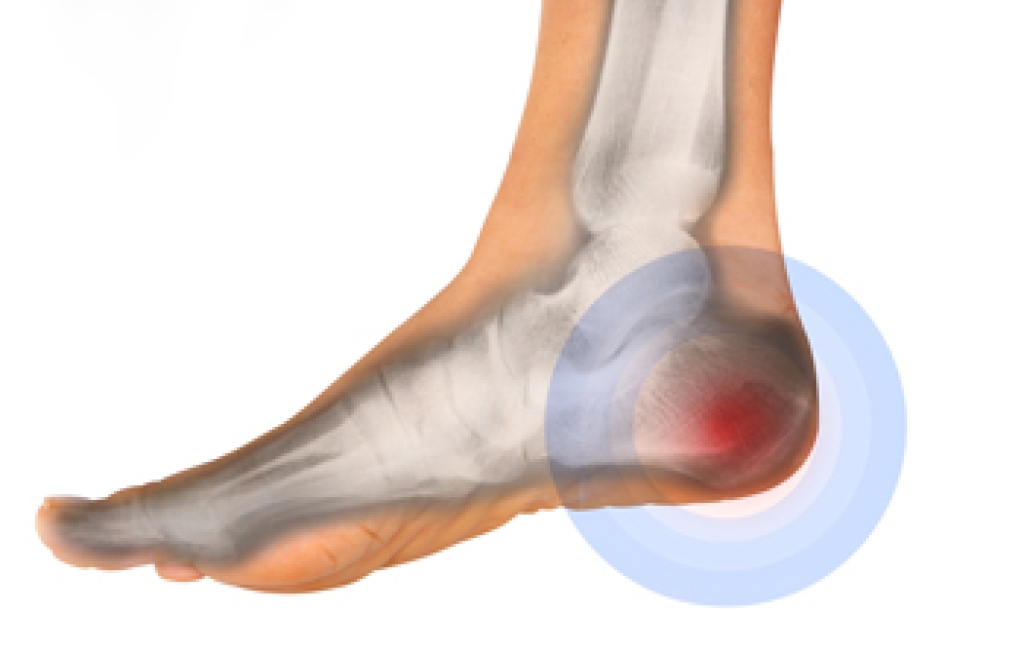
Cuboid syndrome is a foot condition that results from a subtle injury to the calcaneocuboid joint, on the outer side of the midfoot, where the heel bone meets the cuboid bone, and leading to pain along the outer side of the foot and difficulty with normal walking. It often develops after an ankle sprain, overuse, or repetitive strain that affects joint alignment and surrounding soft tissues. Common symptoms include pain, tenderness, swelling, and discomfort that worsens with weight-bearing activity. Risk factors include high impact sports, flat feet, wearing improper footwear, and previous foot or ankle injuries. A podiatrist can diagnose cuboid syndrome through clinical evaluation and restore joint alignment with manual techniques, along with recommending supportive footwear and orthotics. If you have pain on the outside of your foot, it is suggested that you consult a podiatrist to relieve discomfort and prevent ongoing instability.

Cuboid syndrome, also known as cuboid subluxation, occurs when the joints and ligaments near the cuboid bone in the foot become torn. If you have cuboid syndrome, consult with one of our podiatrists from East Ocean Podiatry . Our doctors will assess your condition and provide you with quality foot and ankle treatment.

Cuboid syndrome is a common cause of lateral foot pain, which is pain on the outside of the foot. The condition may happen suddenly due to an ankle sprain, or it may develop slowly overtime from repetitive tension through the bone and surrounding structures.

Causes

The most common causes of cuboid syndrome include:

  • Injury – The most common cause of this ailment is an ankle sprain.
  • Repetitive Strain – Tension placed through the peroneus longus muscle from repetitive activities such as jumping and running may cause excessive traction on the bone causing it to sublux.
  • Altered Foot Biomechanics – Most people suffering from cuboid subluxation have flat feet.

Symptoms

A common symptom of cuboid syndrome is pain along the outside of the foot which can be felt in the ankle and toes. This pain may create walking difficulties and may cause those with the condition to walk with a limp.

Diagnosis

Diagnosis of cuboid syndrome is often difficult, and it is often misdiagnosed. X-rays, MRIs and CT scans often fail to properly show the cuboid subluxation. Although there isn’t a specific test used to diagnose cuboid syndrome, your podiatrist will usually check if pain is felt while pressing firmly on the cuboid bone of your foot.

Treatment

Just as the range of causes varies widely, so do treatments. Some more common treatments are ice therapy, rest, exercise, taping, and orthotics.

If you have any questions, please feel free to contact our office located in Deerfield Beach, FL . We offer the newest diagnostic and treatment technologies for all your foot care needs.
Read more about All About Cuboid Syndrome

Connect With Us